
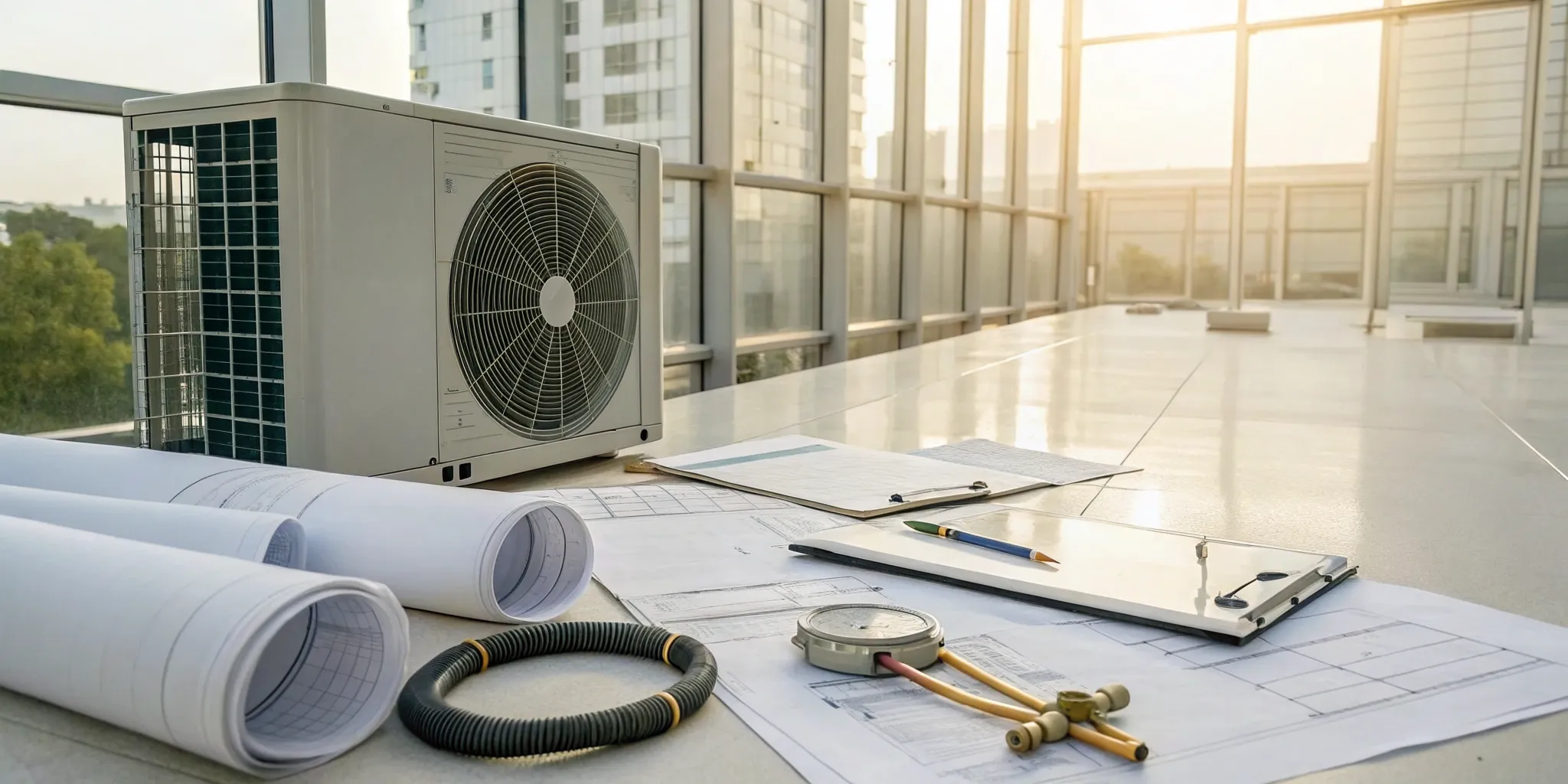
If you’re trying to find a simple answer to what a new HVAC system costs, you’ll quickly realize it doesn’t exist. That’s because every home is different, and a quality installation is a custom job, not an off-the-shelf purchase. The size of your house, the condition of your ductwork, the efficiency rating you choose, and even your local climate all play a role. This guide provides the clear, straightforward roadmap you need. We will break down every element that contributes to the total cost of hvac system and installation so you can understand what goes into a fair quote and ask contractors the right questions.
Key Takeaways
- Understand what shapes your final price: The total cost for a new HVAC system is a custom figure based on your home's needs. Key factors include the system type you choose, its size and efficiency rating, and the installation complexity, which covers any necessary ductwork or electrical work.
- Save money with smart timing and incentives: You can make a new system more affordable by scheduling the installation during the milder spring or fall seasons. Always ask about financing options and look for available rebates or tax credits to reduce the upfront cost.
- Vet your contractor to protect your investment: The quality of the installation is just as important as the equipment itself. To ensure your system runs efficiently for years, choose a licensed and insured contractor who provides detailed written estimates and has a strong local reputation.
Breaking Down the Cost of a New HVAC System
When you hear "new HVAC system," it's easy to feel overwhelmed by the potential cost. The truth is, there isn't one single price tag. The final number depends heavily on the type of system that's right for your home, its size, and its efficiency. Think of it less as a fixed price and more as a range based on your specific needs. Understanding the different options and their costs is the first step toward making a confident decision for your home and budget. It helps you see this purchase not just as an expense, but as an investment in your family's comfort and your home's value.
To give you a clearer picture, let's walk through the most common types of HVAC systems and their typical cost ranges. This will help you understand what goes into a quote and what to expect. Remember, these numbers are a starting point. The best way to get an accurate price for your home is to schedule a consultation with a professional who can assess your unique situation. We'll cover the other factors that influence your final cost, like installation complexity and ductwork, a little later on.
Central Air Conditioners
A central air conditioner is what most people picture when they think of cooling a whole house. It works by distributing cool air through a system of ducts. For a basic, entry-level unit, you might see prices starting around $3,000. However, for more advanced, high-efficiency models that can significantly lower your energy bills, the cost can go upwards of $25,000. The final price depends on the unit's size (or tonnage), its efficiency rating, and the brand. A detailed HVAC replacement cost guide can offer more insight into how these factors play a role in the final price.
Heat Pumps
Heat pumps are fantastic all-in-one solutions because they provide both heating and cooling. In the summer, they move heat out of your house, and in the winter, they reverse the process to bring heat in. Because they handle two jobs, their initial cost is often higher, typically ranging from $6,000 to $25,000. While the upfront investment is more, their incredible energy efficiency can lead to big savings on your utility bills over time. This makes them a very popular choice for homeowners looking for a long-term, eco-friendly solution for their residential services.
Furnaces
If you already have a central air conditioner, you'll need a furnace for heat. The most common type is a gas furnace, which generally costs between $3,800 and $12,000 for the unit and installation. The price varies based on the furnace's efficiency, size, and any complex venting requirements. Electric furnaces might have a slightly lower initial purchase price, but they often cost more to operate than their gas counterparts, depending on local utility rates. Choosing the right one depends on your home's existing setup and your long-term budget goals.
Ductless Mini-Splits
What if your home doesn't have ductwork? Ductless mini-split systems are the perfect answer. These systems use an outdoor unit connected to one or more indoor units mounted on walls or ceilings, giving you zoned heating and cooling. This means you can control the temperature in individual rooms, which is great for efficiency. A single-zone system might cost around $2,000, while a multi-zone setup for your whole house could be closer to $10,500. The total cost is tied to the number of indoor units you need and their efficiency levels.
Packaged and Dual-Fuel Systems
Packaged systems are another great option, especially for homes with limited space. These units contain all the heating and cooling components in one single cabinet that sits outside, often on the roof or next to the foundation. They typically range from $5,000 to $15,000. Dual-fuel systems are a hybrid, combining an electric heat pump with a gas furnace. The system intelligently switches between the two fuel sources to give you the most cost-effective heating at any given time. These are some of the top home heating and cooling systems for homeowners who want maximum efficiency.
What Factors Influence Your Final HVAC Cost?
When you start shopping for a new HVAC system, you’ll quickly find that the price on the tag is just the beginning. The final cost you pay is a mix of the equipment, the labor to install it, and several other factors unique to your home. It’s not like buying a new appliance where the price you see is the price you pay. An HVAC system has to be professionally installed and integrated into your home’s structure, which makes every project a custom job.
Understanding what goes into the total price will help you feel confident in your decision and avoid any surprises down the road. From the size of your house to the condition of your existing ductwork, each element plays a role in the final number. Think of it like getting a custom-tailored suit; it needs to be fitted perfectly to you (or in this case, your home) to work as it should. Let's walk through the five main factors that determine your final HVAC installation cost, so you know exactly what to expect when you start getting quotes.
Your Home's Size and the System's Power
The size and layout of your home are the biggest drivers of your HVAC system’s cost. A larger home requires a more powerful system to heat and cool the space effectively, and more powerful systems naturally cost more. But it’s not as simple as more square footage equals a bigger unit. A professional technician performs what’s called a "load calculation" to determine the exact size you need. This calculation considers your home's square footage, ceiling height, insulation levels, window types, and even how much sun it gets. Getting this right is critical. A system that’s too small will run constantly without ever making your home comfortable, while a system that’s too large will cycle on and off frequently, wasting energy and causing unnecessary wear.
Understanding Efficiency Ratings (SEER2, HSPF2, AFUE)
HVAC systems come with energy efficiency ratings that tell you how much heating or cooling you get for each unit of energy you use. The main ratings you’ll see are SEER2 (Seasonal Energy Efficiency Ratio) for air conditioners, HSPF2 (Heating Seasonal Performance Factor) for heat pumps, and AFUE (Annual Fuel Utilization Efficiency) for furnaces. In every case, the higher the number, the more efficient the unit is. High-efficiency models have a higher upfront cost, but they can lead to significant savings on your monthly utility bills. The federal Energy Star program offers great resources for understanding these ratings. When getting a quote, ask your technician to show you the potential long-term savings of a high-efficiency unit compared to a standard one.
Ductwork and Electrical Needs
Your new HVAC unit is part of a larger system that includes your home's ductwork and electrical wiring. If your existing ducts are old, leaky, or improperly sized for the new system, they may need to be repaired or replaced. Ignoring damaged ductwork is like trying to fill a leaky bucket; your new, efficient system will work harder than it needs to, and you’ll lose conditioned air into your walls or attic. The same goes for your electrical panel. Some modern, high-efficiency systems may require an electrical upgrade to function safely. These updates will add to the overall project cost but are essential for your new system's performance and your home's safety.
The Complexity of the Job
Not all installations are created equal. The location of your indoor and outdoor units can make the job simpler or more challenging for the installation crew, which affects the labor cost. For example, replacing a furnace in a spacious, accessible basement is typically easier and faster than swapping one out in a cramped attic or tight crawlspace. If your home has unique architectural features or requires special equipment to place the outdoor unit, that can also add to the final price. A good contractor will assess these factors during your initial consultation and include them in your written estimate, so there are no surprises on installation day.
Local Labor Rates
Just like with any professional service, labor rates for HVAC installation vary by location. The cost of living and local market demand in areas like the Bay Area or Sacramento will influence the price. The time of year also plays a role. Installers are busiest during the hottest days of summer and the coldest days of winter. Because of this high demand, you might find that scheduling an installation during the milder "shoulder seasons" of spring and fall can be more cost-effective. For an accurate idea of what to expect in your area, it’s always best to get a quote from a trusted local contractor.
Common "Hidden" Costs to Plan For
When you get a quote for a new HVAC system, the price tag usually covers the unit itself and the labor to install it. But a full system replacement can sometimes involve more than just swapping out the old box for a new one. Several other factors can influence your final bill. These aren't "hidden" costs in a deceptive sense; rather, they are potential expenses related to the supporting infrastructure of your heating and cooling system.
A trustworthy contractor will walk you through these possibilities during your initial consultation. Being aware of them ahead of time helps you create a more realistic budget and ensures there are no surprises on the final invoice. From the air ducts that distribute conditioned air to the thermostat that controls the system, every component plays a role in your home's overall comfort and efficiency. Planning for these potential add-ons ensures your new system performs at its best from day one.
Ductwork Repair or Replacement
Your HVAC system is only as good as the ductwork that delivers the air. If your home's ducts are old, leaky, or were not sized correctly for the original system, they can seriously undermine the performance of a brand-new, high-efficiency unit. Leaks can cause you to lose a significant amount of heated or cooled air into your attic or crawl spaces, forcing your system to work harder and driving up energy bills.
During an installation assessment, a technician should inspect your ductwork's condition. If they find significant issues, they may recommend repairs or a full replacement. While this adds to the upfront cost, it’s a crucial step to ensure you get the efficiency and comfort you’re paying for. You can learn more about how duct systems impact your home's energy use.
Thermostat Upgrades
Installing a new HVAC system is the perfect opportunity to upgrade your thermostat. While your old thermostat might still work, a modern replacement can offer much better control and efficiency. Smart thermostats, for example, learn your schedule, allow you to adjust temperatures from your phone, and provide detailed energy usage reports. This level of control can lead to noticeable savings on your monthly utility bills.
While a new thermostat is an additional expense, bundling its installation with your main HVAC replacement can save you money on labor. Instead of paying for a separate service call later, the technician can install it at the same time. Ask your contractor about thermostat options that are compatible with your new system. It’s a relatively small investment that can make a big difference in both your comfort and your energy consumption.
Old Unit Disposal
What happens to your old HVAC unit once it’s removed? This is a detail many homeowners overlook. HVAC systems are large, heavy, and contain refrigerants and other materials that must be disposed of properly according to environmental regulations. You can’t just leave it on the curb for trash pickup. Professional contractors are equipped to handle this process safely and responsibly.
Most reputable HVAC companies, including Airteks, will include the cost of removing and disposing of your old unit in their installation quote. However, it’s always a good idea to confirm this when you review the estimate. Ensuring proper disposal is part of a complete and professional service, giving you peace of mind that the job is done right from start to finish, without leaving you with a logistical headache.
Maintenance Plans
After investing in a new HVAC system, the last thing you want is for it to break down unexpectedly. The best way to protect your investment is with a routine maintenance plan. Think of it like changing the oil in your car; regular check-ups keep the system running smoothly, catch small problems before they become big ones, and extend its overall lifespan. A well-maintained system is also a more efficient one, which helps keep your energy bills low.
Many contractors offer annual or semi-annual service plans. During these visits, a technician will clean the components, check refrigerant levels, and test electrical connections. This proactive approach is far less expensive than paying for an emergency repair. When getting quotes for a new system, ask about available residential services and maintenance agreements.
How HVAC Brands Stack Up on Cost and Reliability
When you start shopping for a new HVAC system, you'll quickly notice a wide range of brands at different price points. While it's tempting to just look at the sticker price, the brand you choose has a big impact on long-term reliability, energy efficiency, and overall comfort. Think of it like buying a car: some brands are known for luxury and performance, others for practicality and value. We work with a variety of top brands to make sure you get the right fit for your home and budget, because the best system is the one that meets your specific needs.
Premium Brands (e.g., Trane, Carrier)
Brands like Trane and Carrier sit at the top of the market for a reason. They are known for their exceptional engineering, durable parts, and cutting-edge features. For example, some premium models offer variable-speed technology that provides incredibly precise temperature control and high efficiency ratings. While these systems have a higher upfront cost, they often deliver long-term savings through lower energy bills and fewer repairs. If you prioritize peak performance, advanced features, and proven quality from the best air conditioner brands, investing in a premium name is a solid choice for your home.
Mid-Range Brands (e.g., Rheem, American Standard)
Mid-range brands like Rheem and American Standard hit the sweet spot for many homeowners, offering an excellent balance of performance, reliability, and cost. These systems are workhorses, built with quality components that provide dependable heating and cooling without the premium price tag. Many models come with modern features like smart-home compatibility, giving you convenient control over your home’s climate. For those who want a reliable system from a manufacturer with a long history of professional-grade performance, a mid-range brand often provides the perfect blend of value and quality for years to come.
Budget-Friendly Brands (e.g., Goodman)
Choosing a budget-friendly brand like Goodman doesn’t mean you have to sacrifice quality. These brands focus on providing essential, reliable heating and cooling at a more accessible price point. They are a go-to option for savvy, value-conscious homeowners who want a dependable system without paying for extra bells and whistles. What really makes these brands stand out is their commitment to strong warranties, often rivaling those of more expensive competitors. This gives you peace of mind knowing your investment is protected. If your main goal is getting a new, efficient system that fits your budget, a brand like Goodman is an excellent choice.
What to Look for in a Warranty
A strong warranty is your safety net, and it’s one of the most important factors to consider, no matter which brand you choose. Top-tier brands are known for their dependable support, but even budget-friendly options often provide fantastic coverage. Look for a 10-year limited parts warranty, as this is the industry standard for a quality system. Pay close attention to whether the compressor, the heart of your AC or heat pump, has extended coverage. Also, be sure to ask us about labor warranties, which cover the cost of service calls. Proper registration is almost always required to get the full benefits, so make sure that step is completed right after installation.
Is a High-Efficiency System Worth the Investment?
When you see the price difference between a standard HVAC system and a high-efficiency one, it’s natural to pause and ask if the extra cost is really worth it. The higher upfront price can feel like a big hurdle. But it’s helpful to think of a high-efficiency system not just as an expense, but as a long-term investment in your home’s comfort, value, and your monthly budget. While the initial payment is larger, the benefits you get back over the life of the system often outweigh the cost. From lower energy bills to a healthier living space, the advantages are real and measurable. Let's break down exactly what you get for that investment.
Lower Monthly Energy Bills
Think of a high-efficiency HVAC system like a car with great gas mileage. It uses less energy to get the job done, which translates directly into lower utility bills every single month. These systems are engineered with advanced technology that allows them to cool and heat your home more effectively without working as hard. Over time, these monthly savings add up, helping to offset the initial purchase price. In areas with hot summers and chilly winters, like the Central Valley and Sacramento, the difference in your energy consumption can be significant, making the investment pay for itself even faster.
Rebates and Tax Credits
One of the best ways to soften the upfront cost of a high-efficiency system is by taking advantage of financial incentives. Federal, state, and even local utility companies often offer rebates and tax credits to homeowners who choose energy-efficient models. These programs are designed to encourage greener choices, and they can save you hundreds or even thousands of dollars. Finding these deals can feel like a treasure hunt, but a quick search on the ENERGY STAR rebate finder is a great place to start. Your HVAC contractor can also be a fantastic resource for identifying local rebates you qualify for.
An Increase in Home Value
A new, high-efficiency HVAC system is a powerful selling point that can make your home more attractive to potential buyers. It’s an upgrade that signals the house is well-maintained, modern, and will be less expensive to run. For a buyer, knowing they won’t have to worry about replacing the heating or cooling system for years to come is a huge relief. This can make your property stand out in a competitive market and potentially increase its overall value. It’s an investment you get to enjoy with improved comfort now and that can pay you back again when it’s time to sell.
Better Indoor Comfort and Air Quality
Beyond the financial perks, a high-efficiency system dramatically improves your day-to-day life at home. These units are much better at maintaining a consistent temperature, eliminating those annoying hot and cold spots. They also offer superior humidity control, making your home feel more comfortable year-round. Even more importantly, modern systems come with advanced filtration that captures dust, pollen, pet dander, and other airborne pollutants. This creates healthier indoor air, which is a major benefit for everyone, especially family members with allergies or asthma. It’s a key part of our complete residential services designed to make your home as comfortable and healthy as possible.
Smart Ways to Save on Your New HVAC System
A new HVAC system is a significant investment in your home’s comfort and value, but that doesn’t mean it has to break the bank. With a little planning and some savvy strategies, you can make the cost much more manageable. Instead of just looking at the sticker price, think about the long-term value and the opportunities available to lower your initial expense. From timing your installation perfectly to taking advantage of financial incentives, here are some practical ways to save money on your new heating and cooling system without sacrificing quality.
Time Your Purchase
If you can, avoid buying a new HVAC system in the middle of a July heatwave or a January cold snap. The best time to schedule an installation is during the "shoulder seasons" of spring and fall. During these milder months, demand for HVAC services is lower, which means contractors often have more flexible scheduling and may offer better pricing. Planning your replacement ahead of time, rather than waiting for a complete breakdown, gives you the power to shop around and make a decision without the pressure of an emergency.
Ask About Financing and Service Bundles
Paying for a new system all at once can be a strain on any budget. Don't hesitate to ask your HVAC contractor about their financing options. Many companies, including Airteks, offer payment plans that allow you to spread the cost over time, making it much more affordable. You can also find savings by bundling services. If you’re thinking about upgrading your thermostat or having your ducts inspected, doing it at the same time as your main HVAC installation can reduce overall labor costs, since the technicians are already on-site.
Claim Available Rebates and Credits
This is one of the best ways to reduce the cost of a new system, but it’s an opportunity many homeowners miss. High-efficiency models often qualify for federal tax credits and local utility rebates that can save you hundreds or even thousands of dollars. These programs are designed to encourage homeowners to choose energy-efficient equipment. You can find local rebates available in your area by checking with your utility provider or asking a knowledgeable HVAC professional who keeps up with the latest incentives.
Get a Few Professional Quotes
Before you commit to any company, make sure you get at least three written quotes from different licensed HVAC contractors. This isn't just about finding the lowest price; it's about ensuring you're getting a fair deal for high-quality work. A detailed quote should clearly outline the equipment being installed, the scope of labor, warranty information, and all associated costs. Comparing estimates helps you understand the market rate and choose a contractor who is transparent and thorough. When you're ready, we'd be happy to provide a clear, honest estimate for your residential or commercial project.
How to Choose the Right HVAC Contractor
Choosing the right HVAC system is only half the battle. The quality of the installation is just as critical, as it directly impacts your system's efficiency, performance, and lifespan. A top-of-the-line unit can underperform if it’s installed incorrectly, leading to higher energy bills and frequent repairs. That’s why vetting your HVAC contractor is one of the most important steps in the entire process. You’re not just hiring someone to connect a few wires; you’re trusting them with a major home investment and your family’s comfort. A great contractor provides quality workmanship, stands behind their service, and helps you feel confident in your decision.
Licensing, Insurance, and Certifications
First things first, make sure any contractor you consider is properly licensed and insured. This is a non-negotiable baseline for any professional you hire to work in your home. A valid license shows that the contractor has met state and local requirements for training and knowledge. It’s proof that they understand complex HVAC systems and safety protocols. Insurance is just as important, as it protects you from any liability if an accident or damage happens on your property during the job. A professional company that handles large-scale commercial services will always have these credentials in order, and you should expect the same for your home.
Clear, Written Estimates
Never move forward with a project without a detailed, written estimate. A simple price on the back of a business card isn’t enough. A trustworthy contractor will provide a clear, itemized proposal that outlines the full scope of work. This document should include the specific model numbers for the equipment being installed, a breakdown of labor and material costs, and any warranty information. This transparency is a sign of professionalism and helps you understand exactly what you are paying for. It also prevents surprise charges later on. When you’re ready for a straightforward quote, you can contact us for an honest and comprehensive estimate.
Proven Experience and a Strong Local Reputation
Look for a contractor with a proven track record and deep roots in your community. An HVAC company that has been in business for a long time is more likely to provide quality service and be there to support you years down the road. Check online reviews on sites like Google and Yelp, but also ask for references you can speak with directly. A contractor with extensive experience providing residential services in your area will be familiar with local building codes and the specific climate challenges of neighborhoods from the Bay Area to Sacramento, ensuring your system is perfectly suited for your home.
Get Your Honest HVAC Estimate from Airteks
When you start researching the cost of a new HVAC system, you’ll quickly find a wide range of prices. A new unit can cost anywhere from a few thousand dollars to well over $15,000, and that variation exists for a good reason. There is no one-size-fits-all solution for home comfort, and the final price tag depends on many factors. The size of your home, the efficiency of the unit you choose, and whether you need new ductwork or electrical updates all play a significant role. The complexity of the installation itself can also affect the cost.
Because so many variables are at play, the best way to understand your true cost is to get a personalized estimate. It’s common practice to get a few quotes from different local companies, which helps you compare prices. More importantly, it allows you to find a contractor with a solid reputation for quality work and dependable service. A great installation is just as important as the unit itself for ensuring your system runs efficiently for years to come.
At Airteks, we are committed to making this process straightforward and transparent. We provide clear, written estimates that break down all the costs, so you know exactly what you’re paying for without any surprises. Our experienced technicians will assess your home, discuss your needs, and present you with honest recommendations tailored to your budget. When you’re ready for a no-pressure conversation and a reliable quote, contact our team. We’re here to help you make an informed decision with confidence.
Frequently Asked Questions
Why can’t I just get a simple price quote over the phone? A price given over the phone would only be a rough guess, and that isn’t fair to you. An accurate quote depends on factors that have to be seen in person, like the size of your home, the condition of your existing ductwork, and your electrical panel's capacity. A professional assessment ensures the system is sized correctly for your home, which is critical for its efficiency and lifespan. We provide a detailed, written estimate after a thorough evaluation so you know the true cost without any guesswork.
How long does a typical HVAC installation take? A straightforward replacement of both an indoor and outdoor unit can often be completed in a single day. However, the timeline can change based on the complexity of the job. If your project requires significant ductwork modifications, electrical upgrades, or involves a difficult installation location like a tight attic, it could take longer. Your contractor should give you a clear and realistic timeline before the work begins.
My AC broke, but my furnace is fine. Do I have to replace both at the same time? While you can replace just one component, it’s often smarter to replace both. Your furnace and air conditioner are designed to work together as a matched system. Pairing a new, high-efficiency AC with an older furnace can reduce the system's overall performance and efficiency. Installing a complete, matched system ensures all the parts are compatible, which maximizes energy savings and often comes with a better warranty.
Is it worth paying more for a high-efficiency system if my budget is tight? A high-efficiency system is an investment that pays you back over time. While the initial cost is higher, the significant savings on your monthly energy bills can help offset that price difference, especially in our California climate. These systems also frequently qualify for tax credits and local utility rebates, which can lower your upfront cost immediately. Plus, you get the added benefits of better humidity control and cleaner indoor air.
Besides price, what’s the most important thing to look for in an HVAC contractor? Beyond a fair price, look for proof of professionalism and reliability. A great contractor will be fully licensed and insured, provide a detailed written estimate that outlines all costs, and have a long history of positive reviews in your community. You are trusting them with a major home system, so choosing a company that stands behind its work with strong warranties and dependable service is just as important as the equipment itself.
Comments